MAP OF THE BOMB
DISCUSSION:
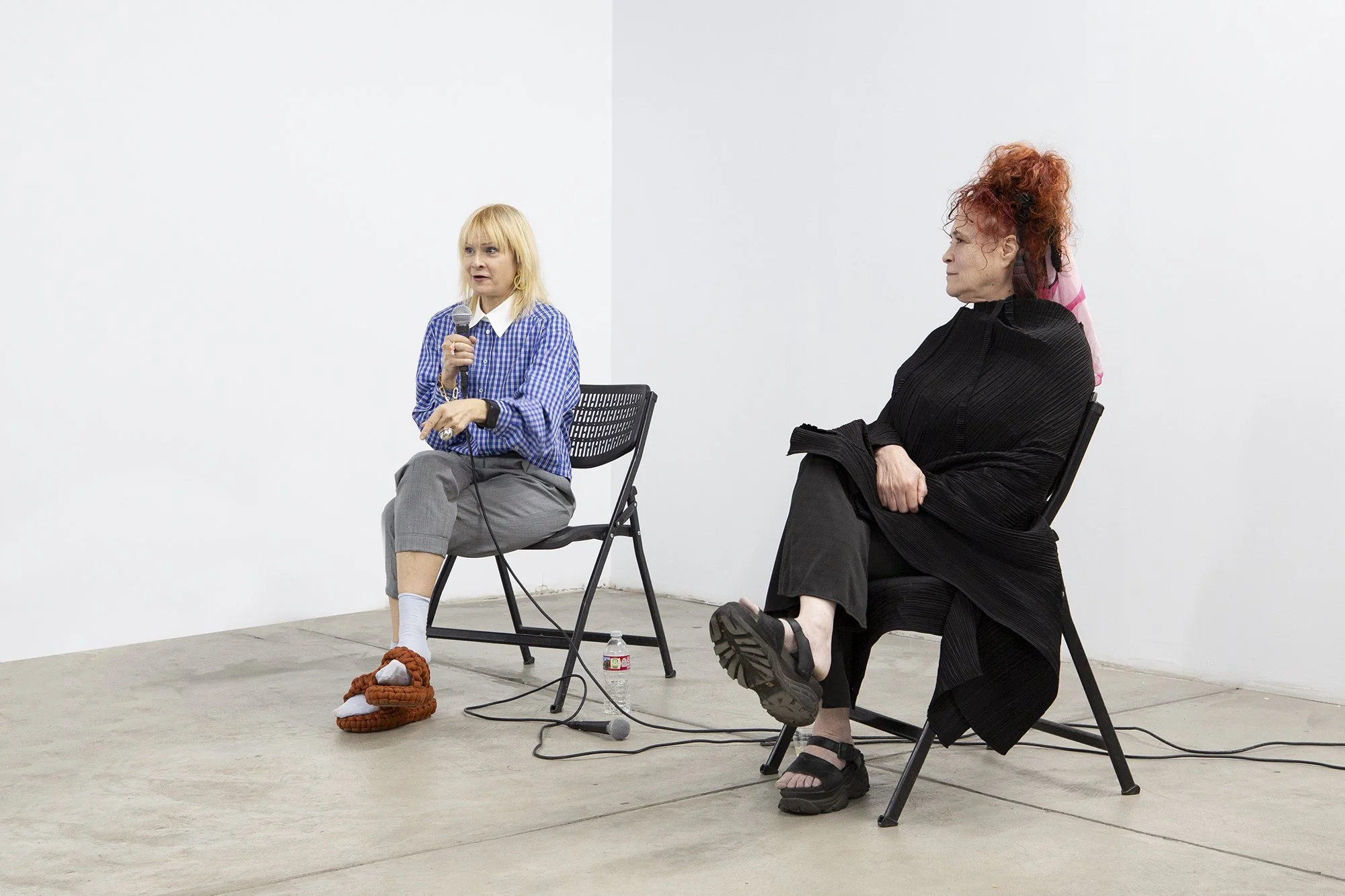
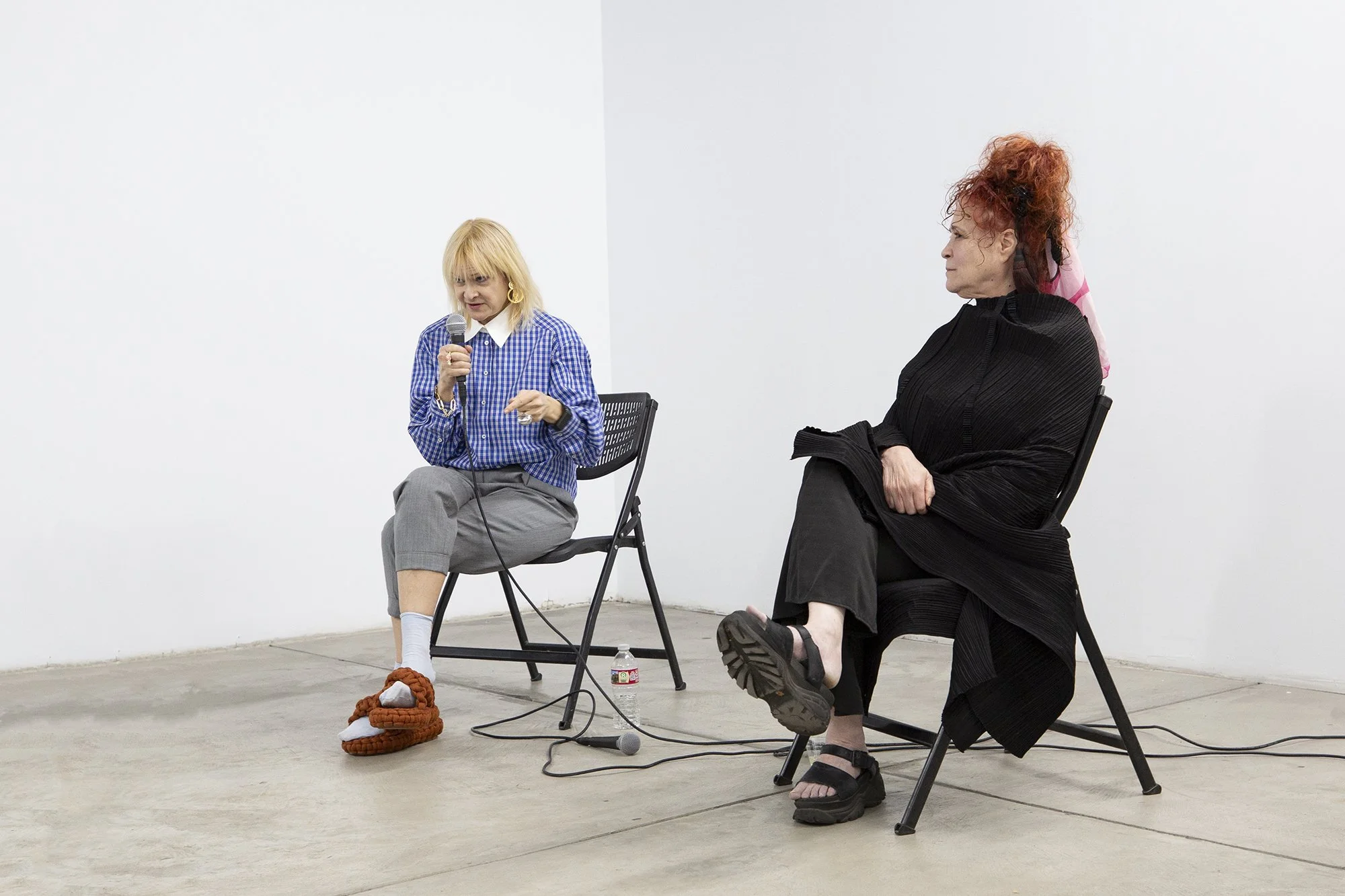
AMANDA BEECH in dialogue with CHRISTINE WERTHEIM
March 7th, 2026, 5:00 - 7:30 PM
PHASE Gallery, 1718 Albion Street, Los Angeles, CA 90031
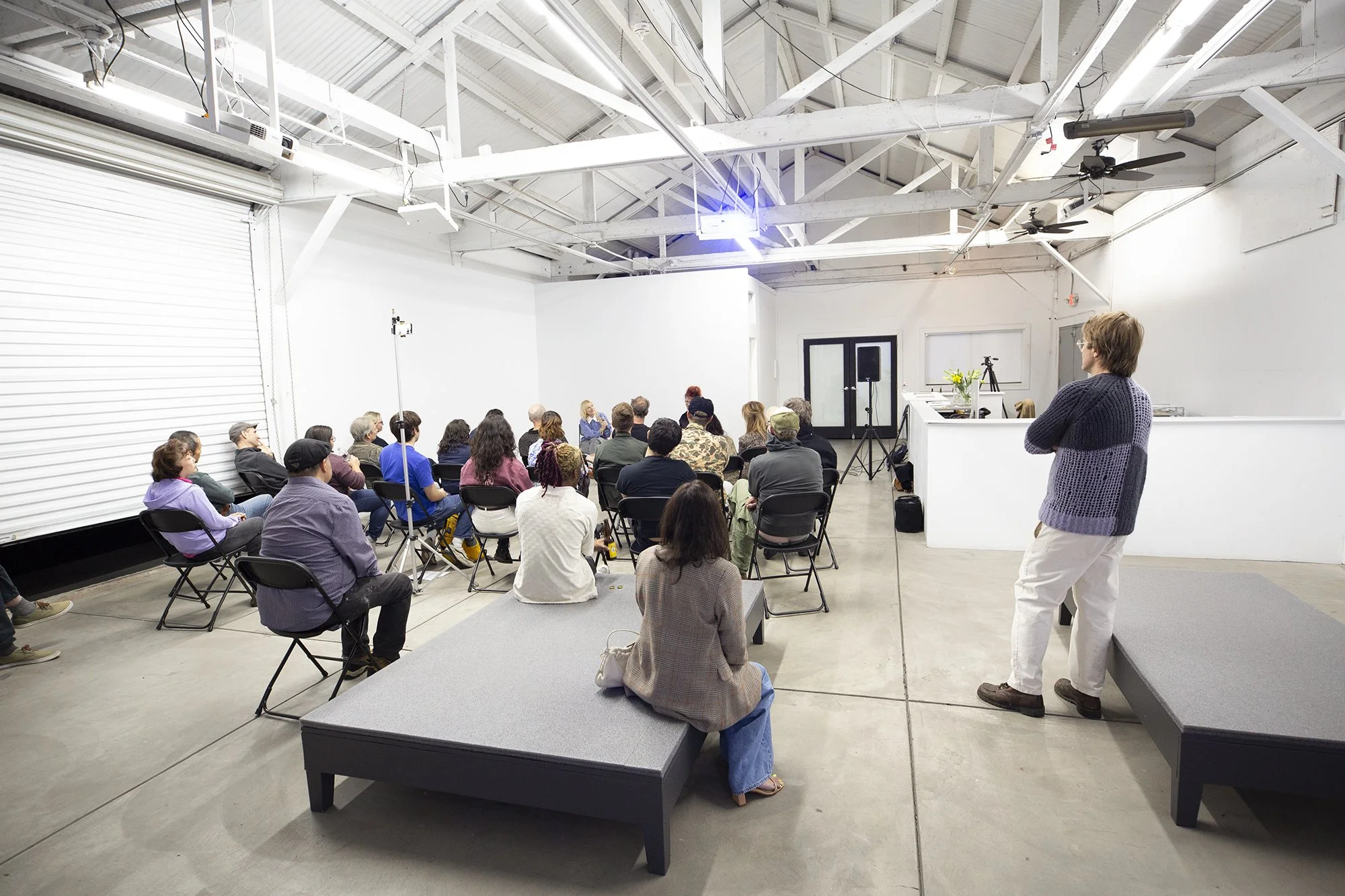
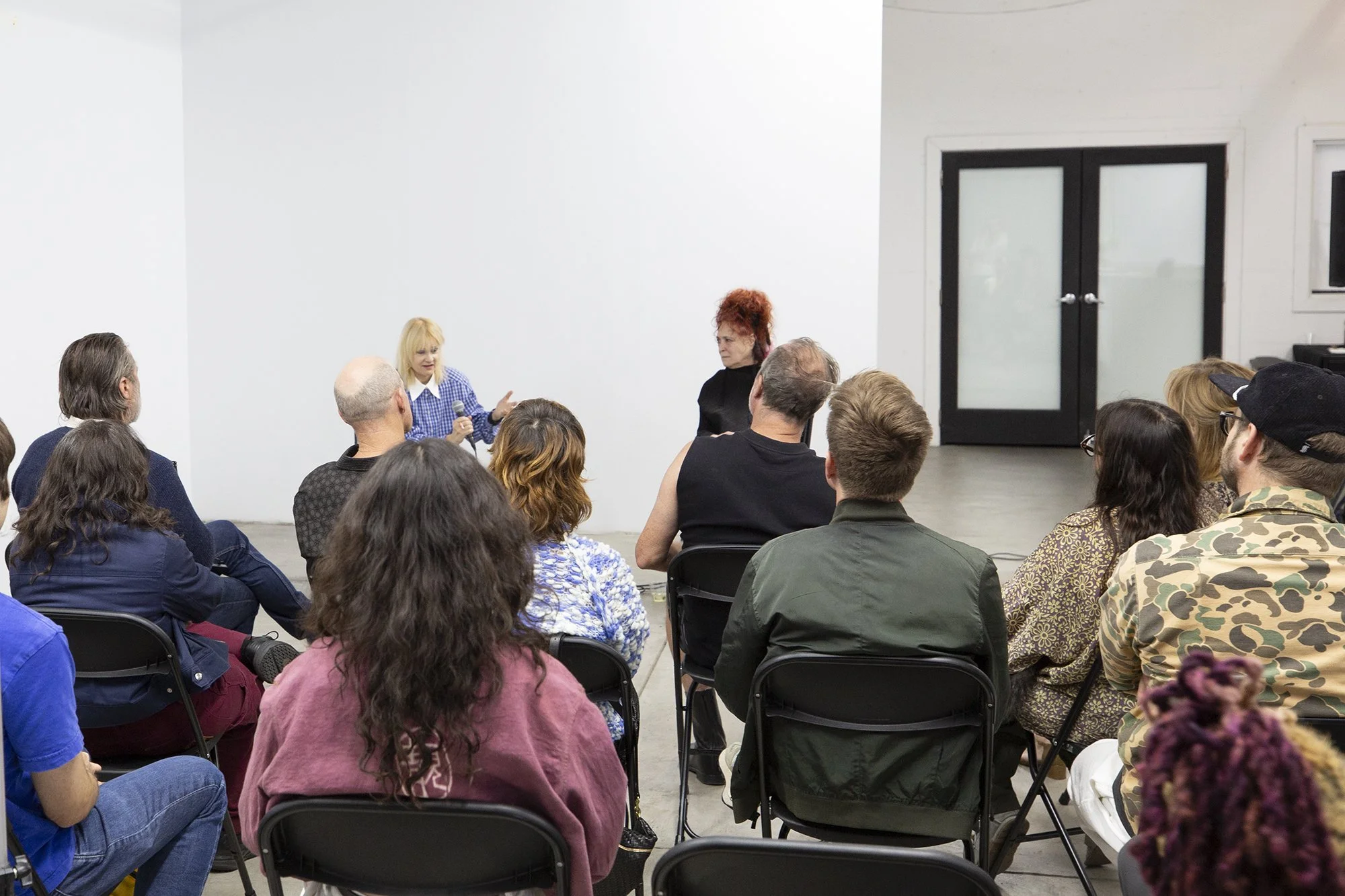
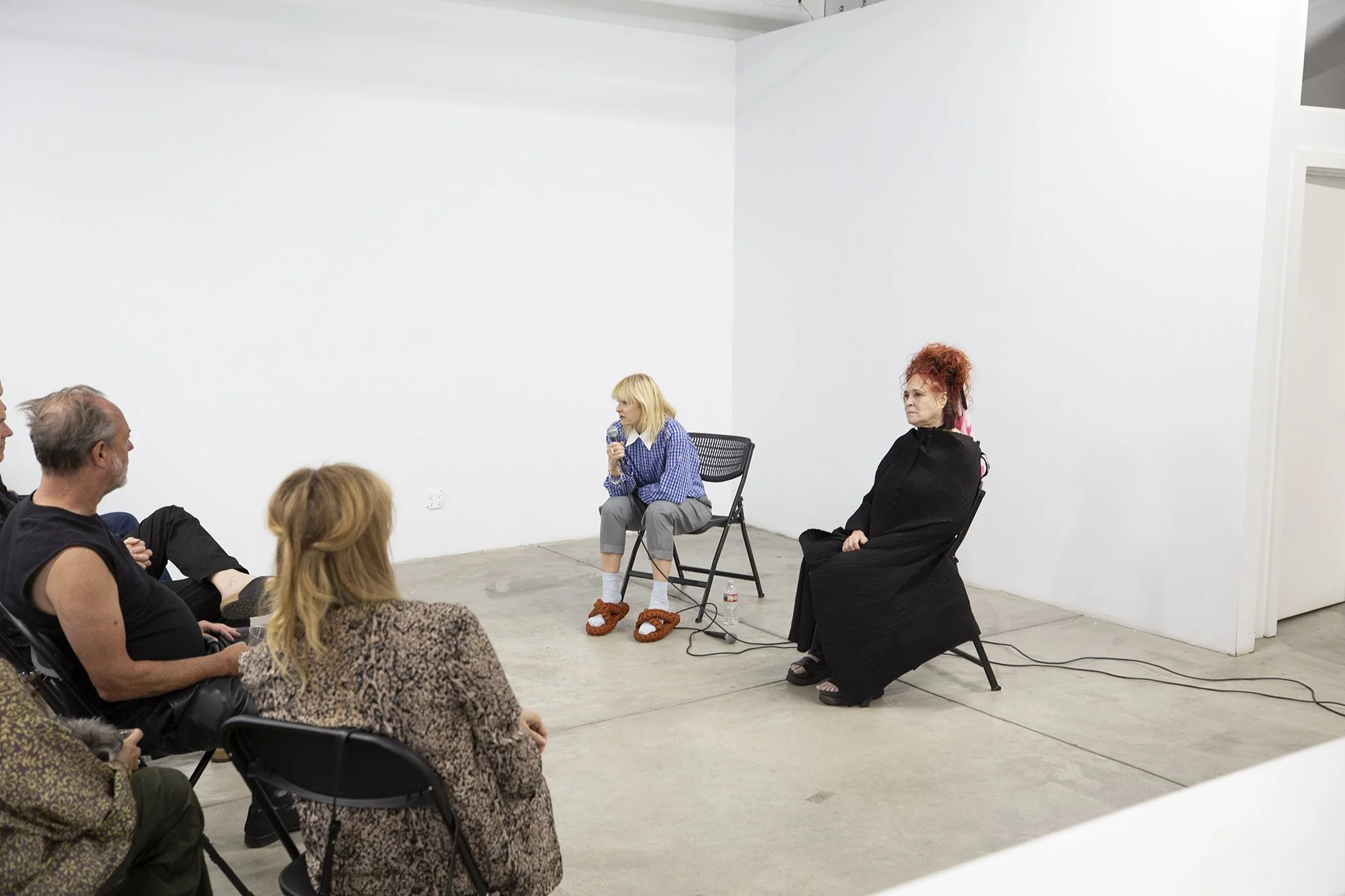
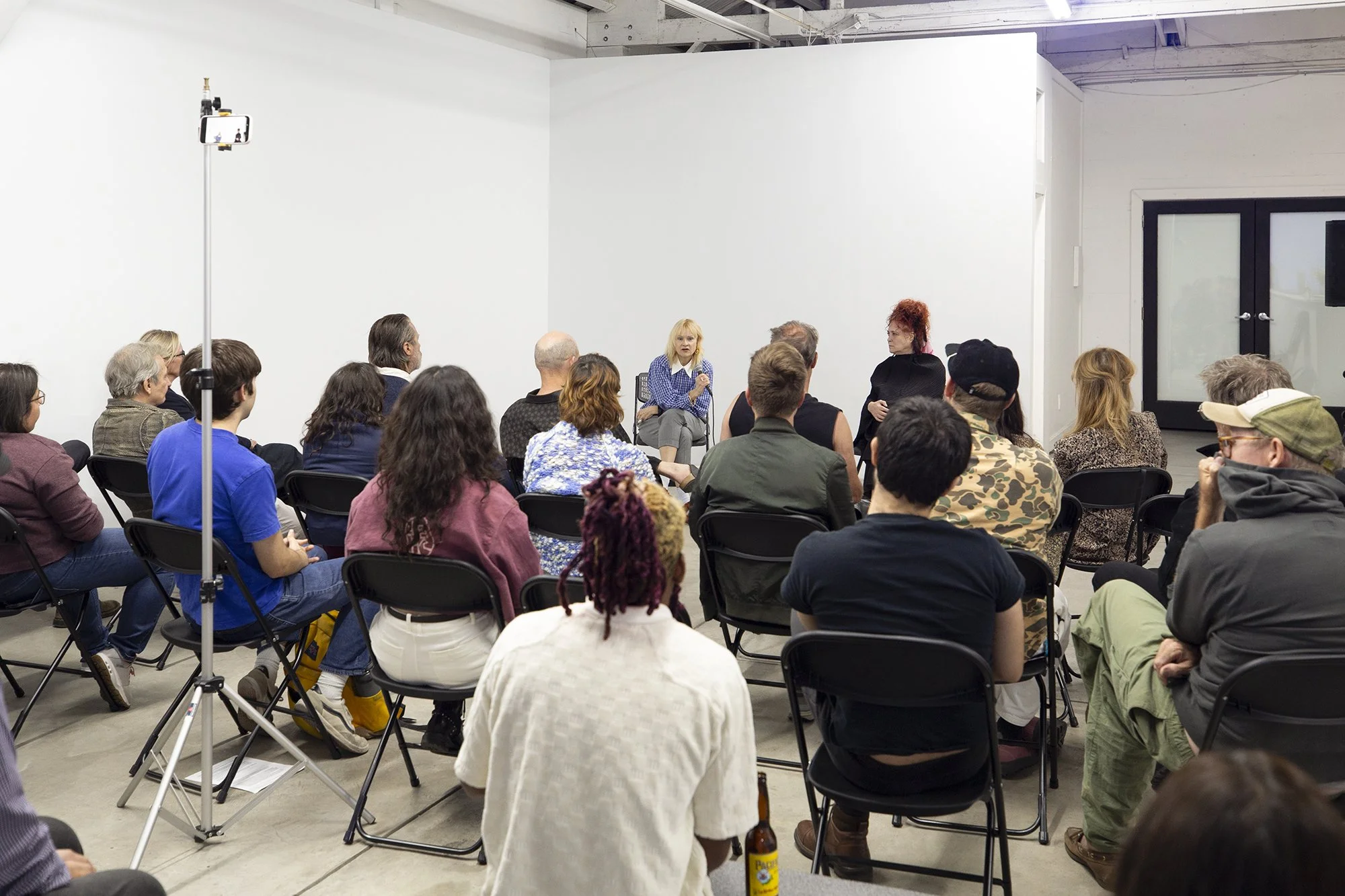
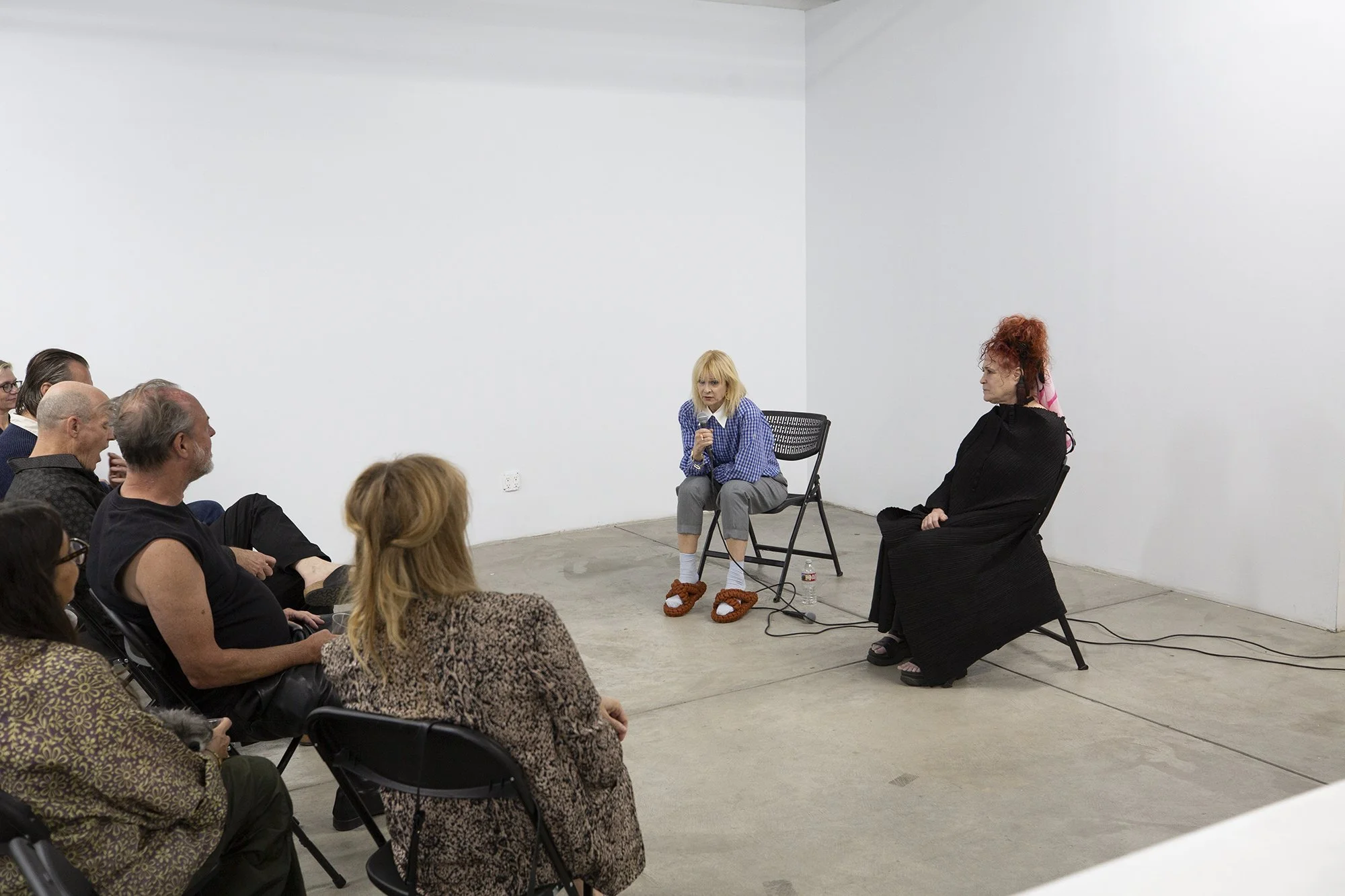
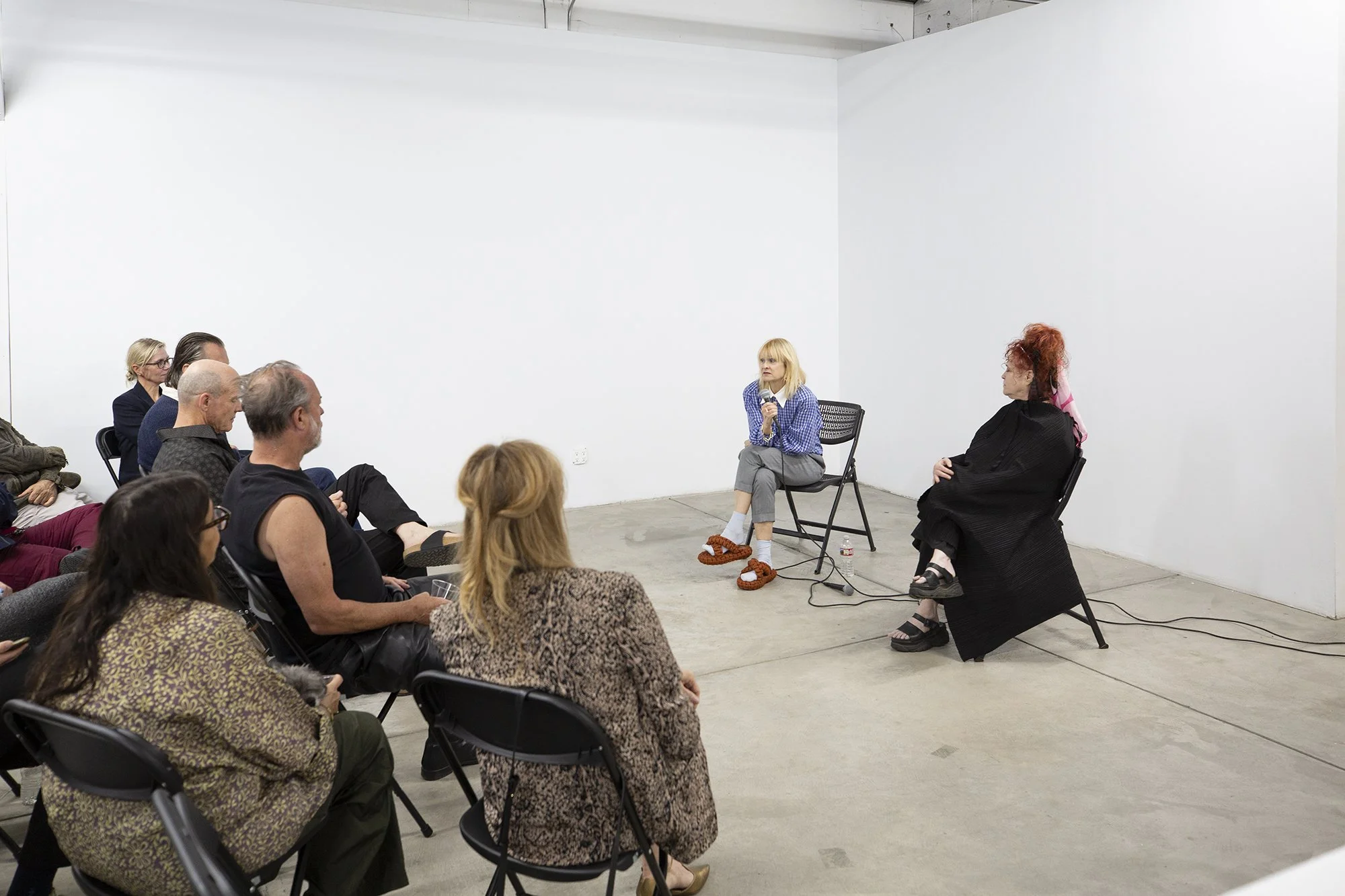
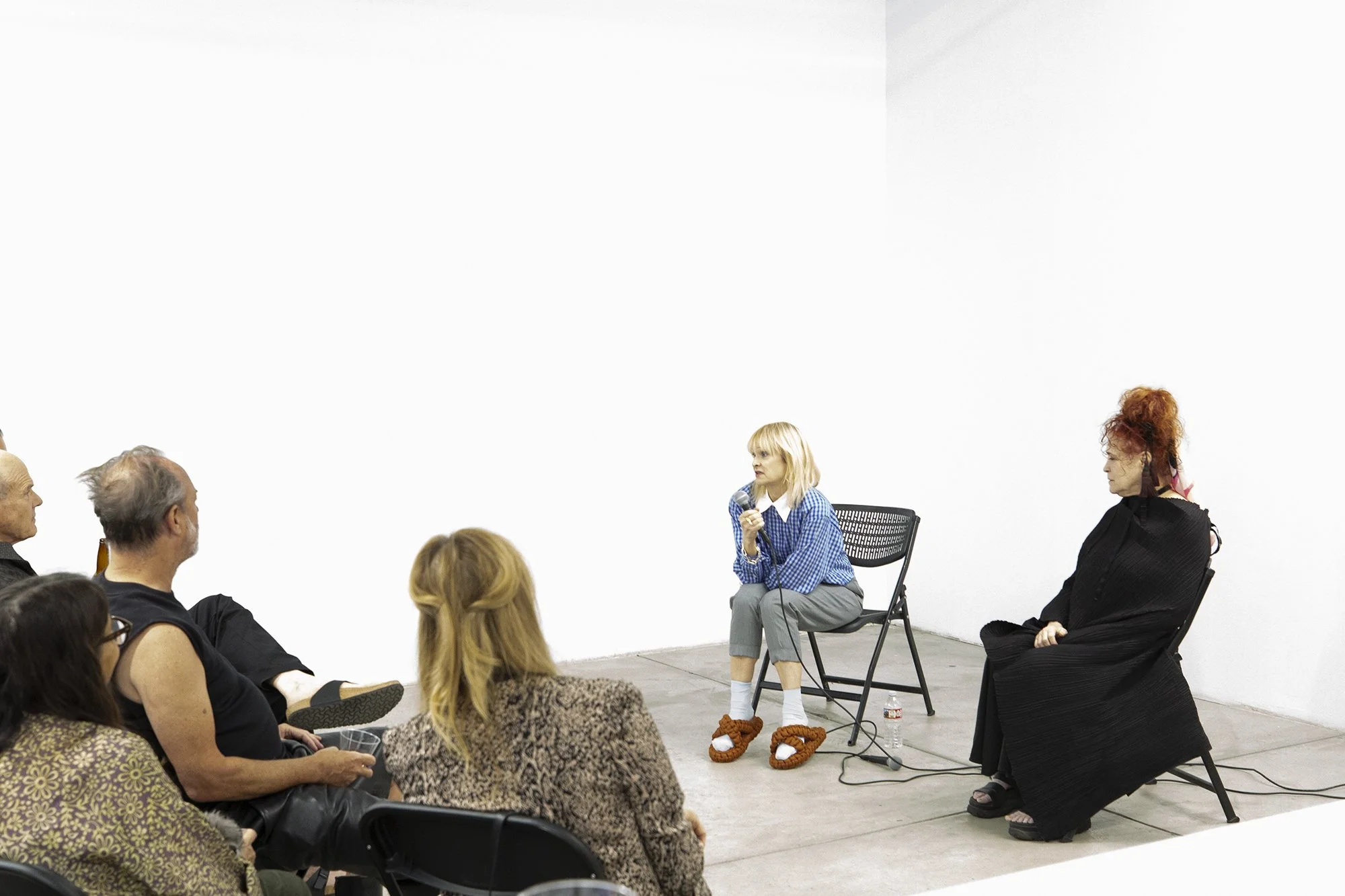
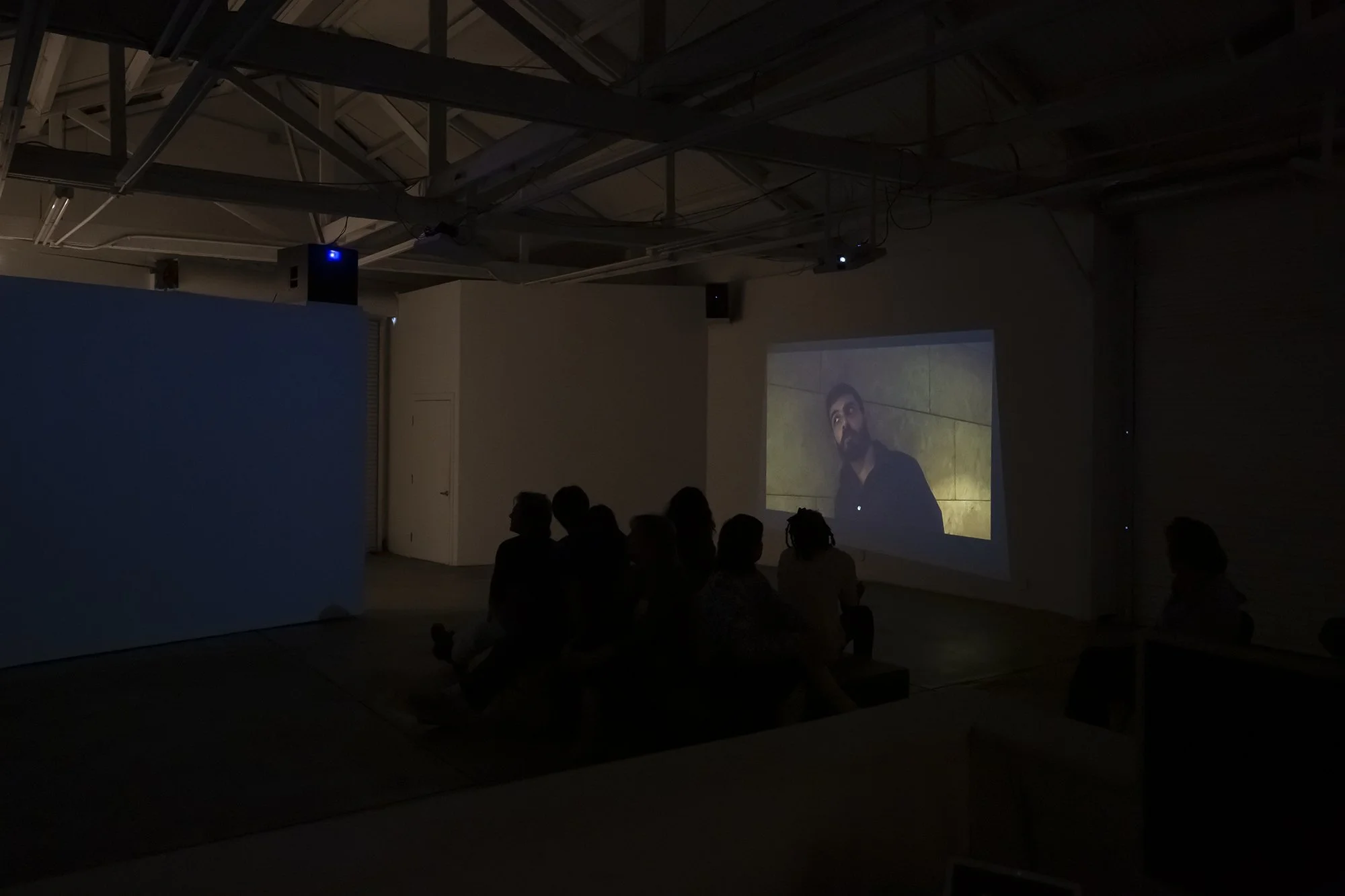
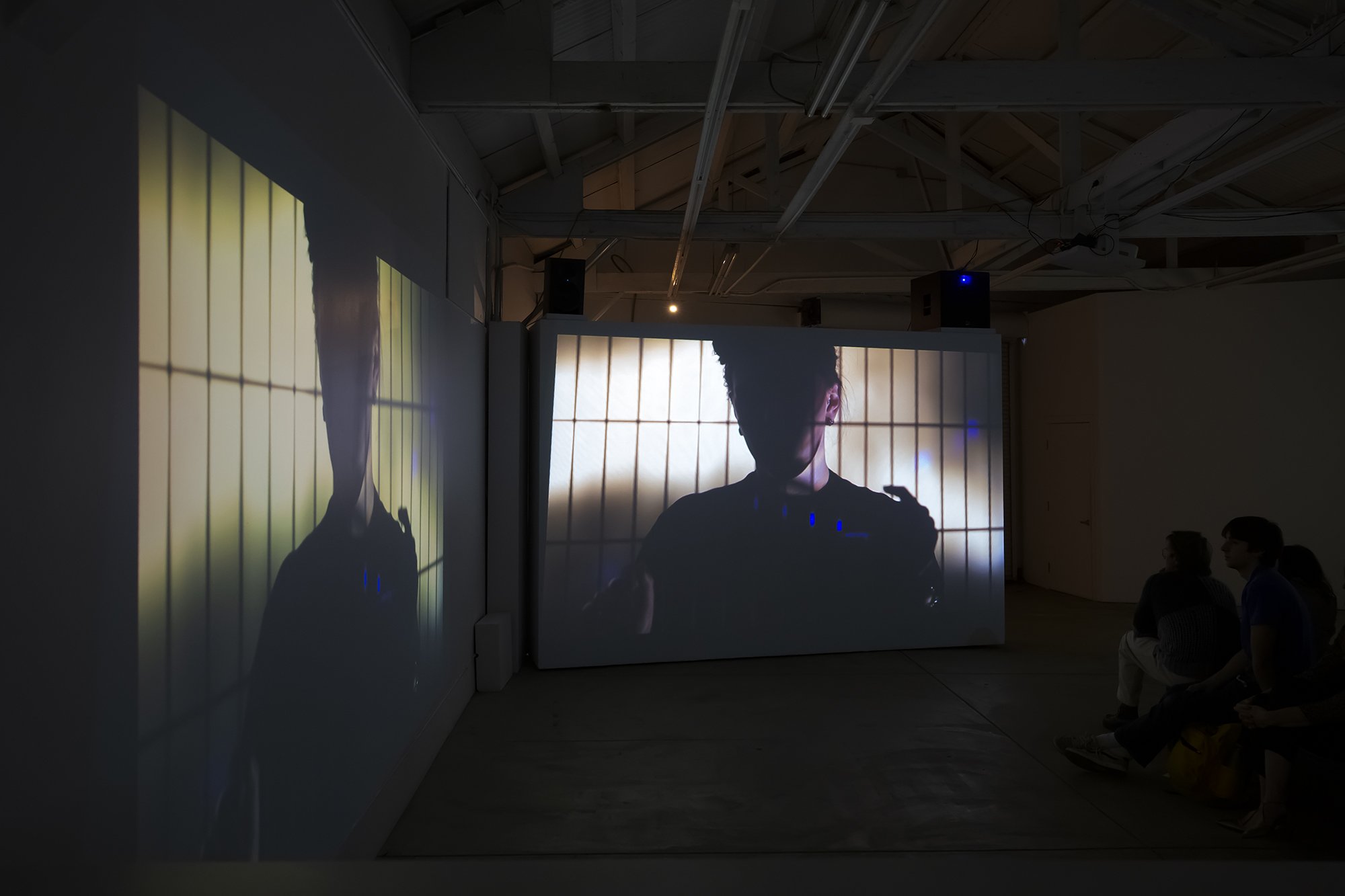
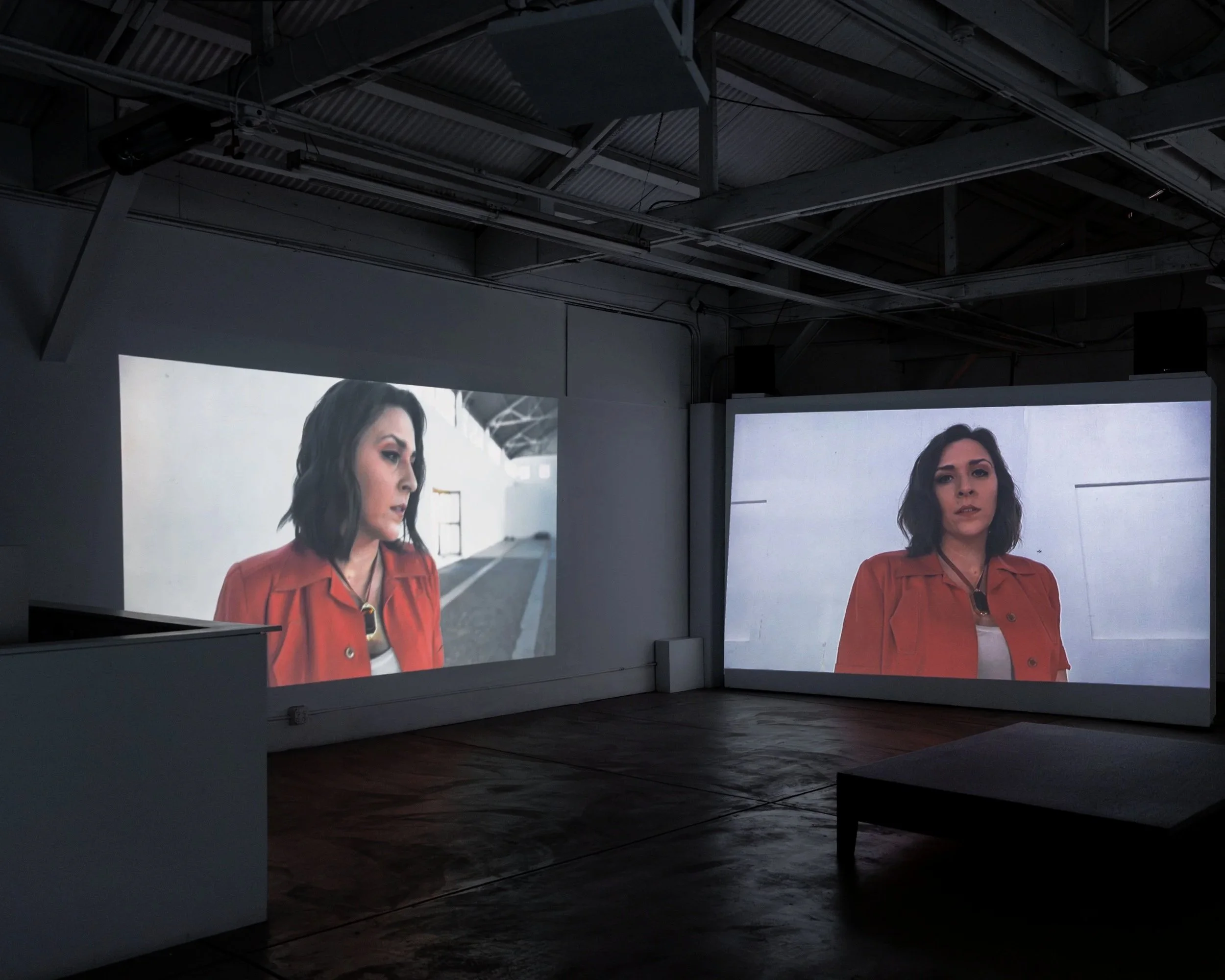
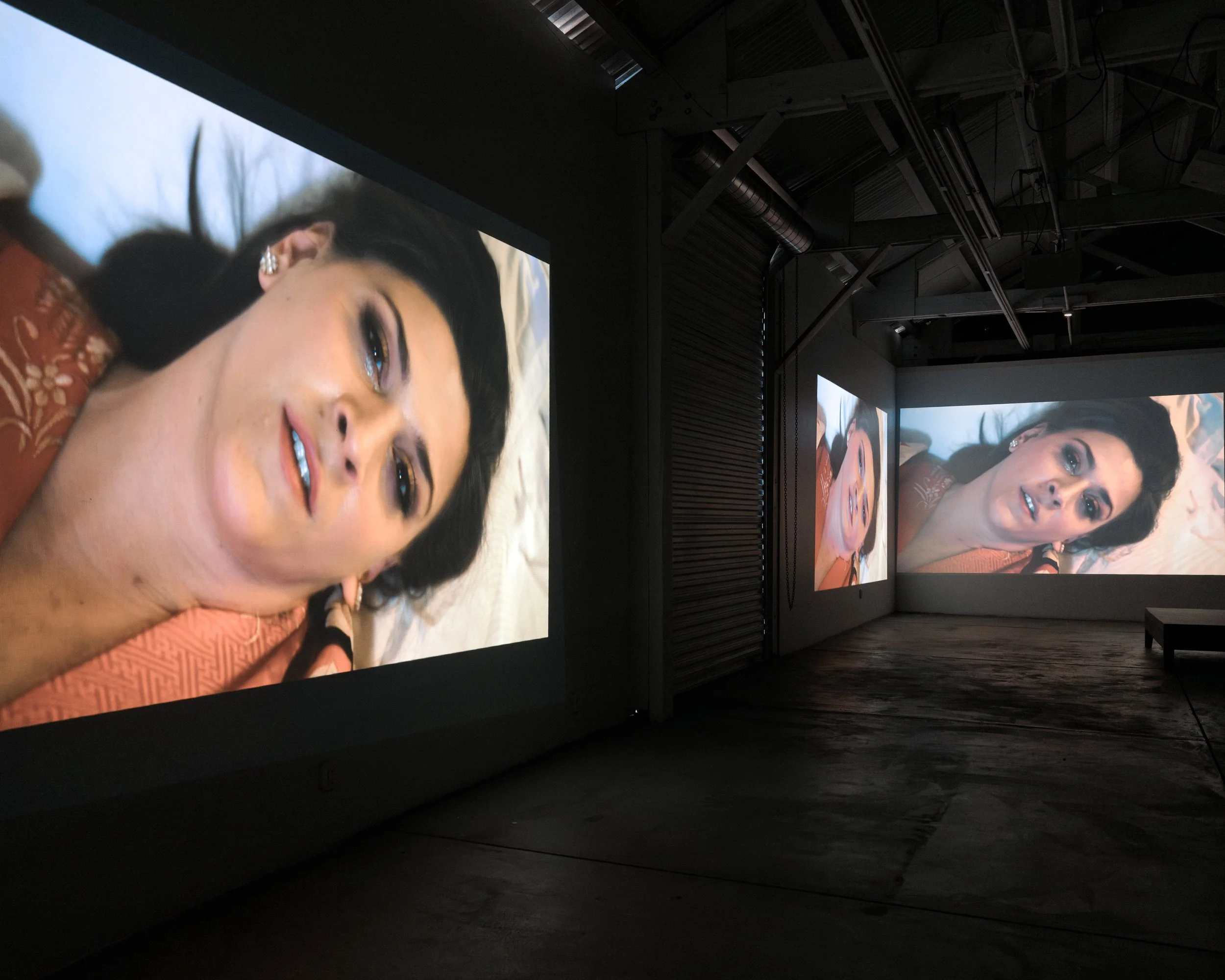
Please join us Saturday, March 7 | 5:00–7:30 PM for a dialogue and public discussion exploring themes from the installation Map of the Bomb, by Amanda Beech, which is currently on view at PHASE Gallery.
At 5:00 PM there will be an opportunity to view the installation. The conversation will begin at 6:15 PM, when Amanda Beech and Christine Wertheim will discuss noir, feminism, the challenges of techno‑naturalism, and possibilities for realist art today.
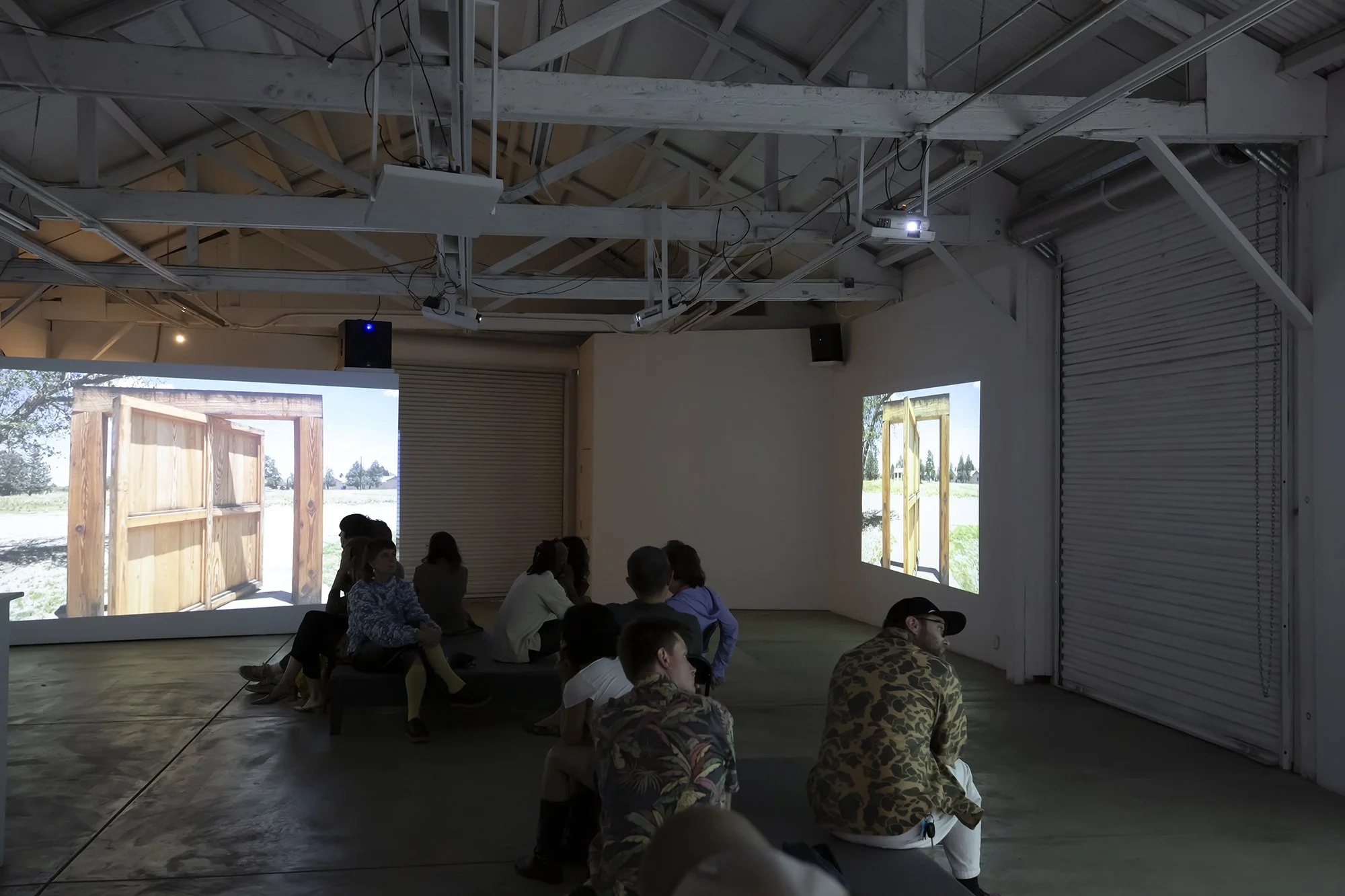
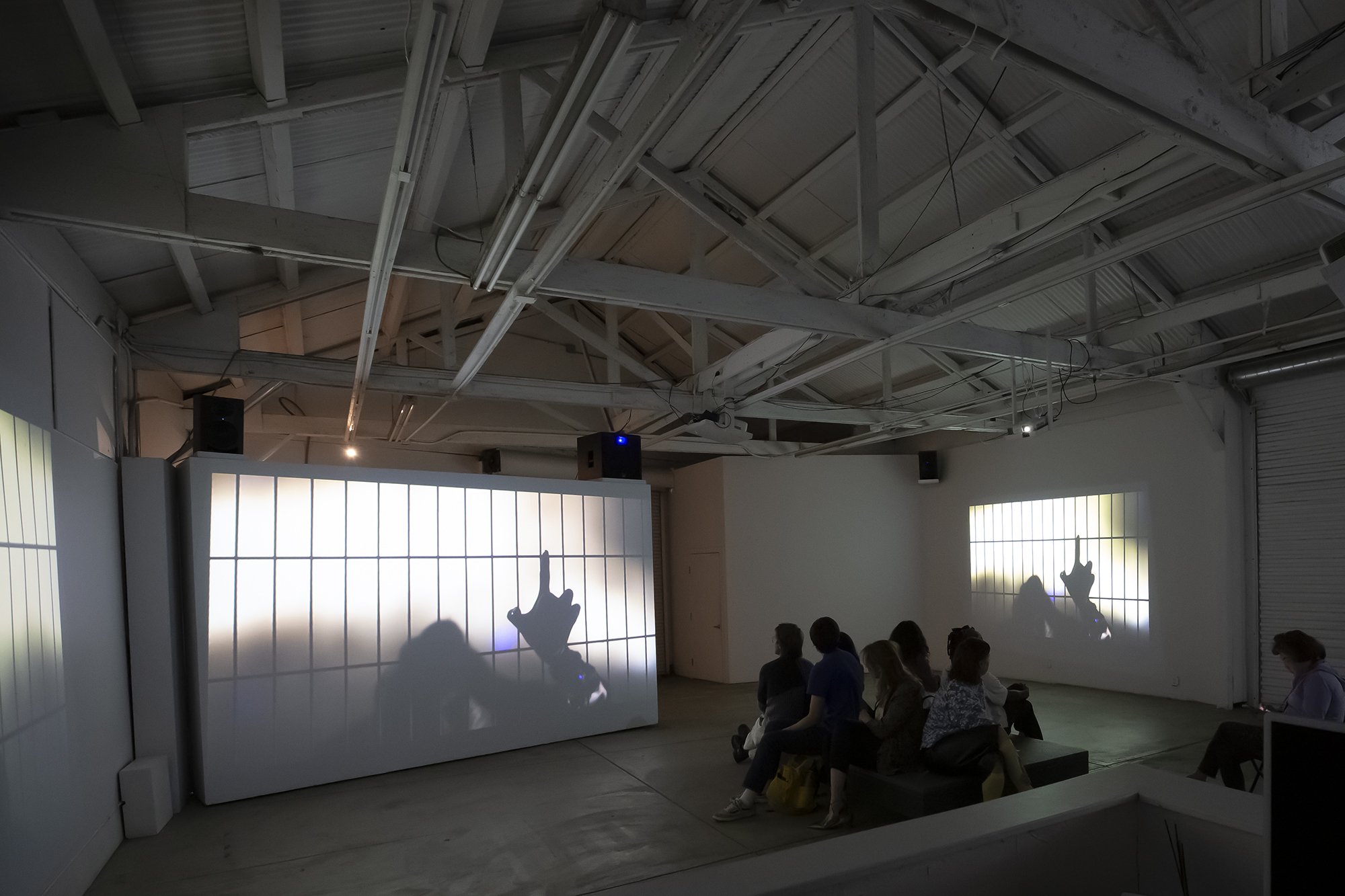
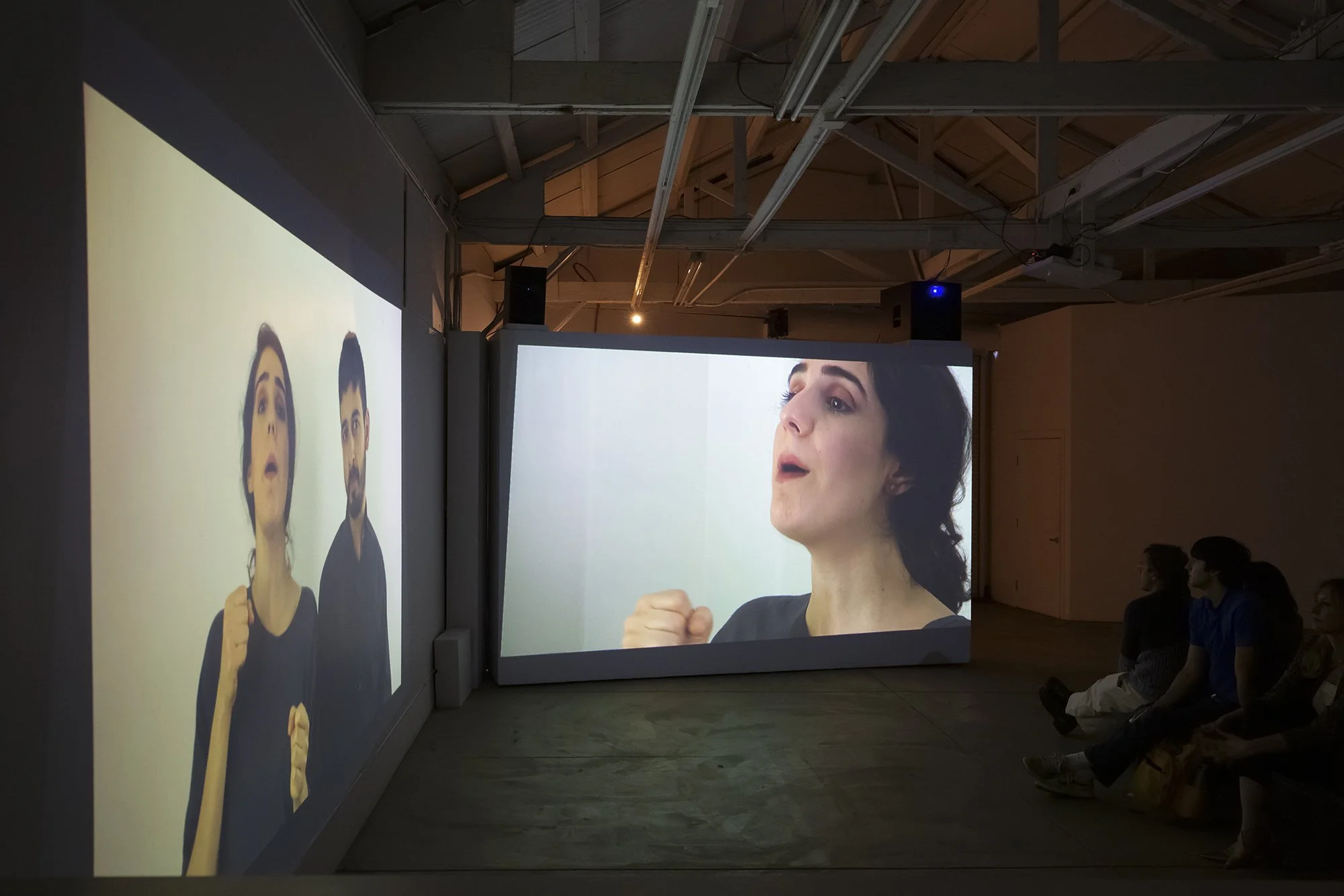
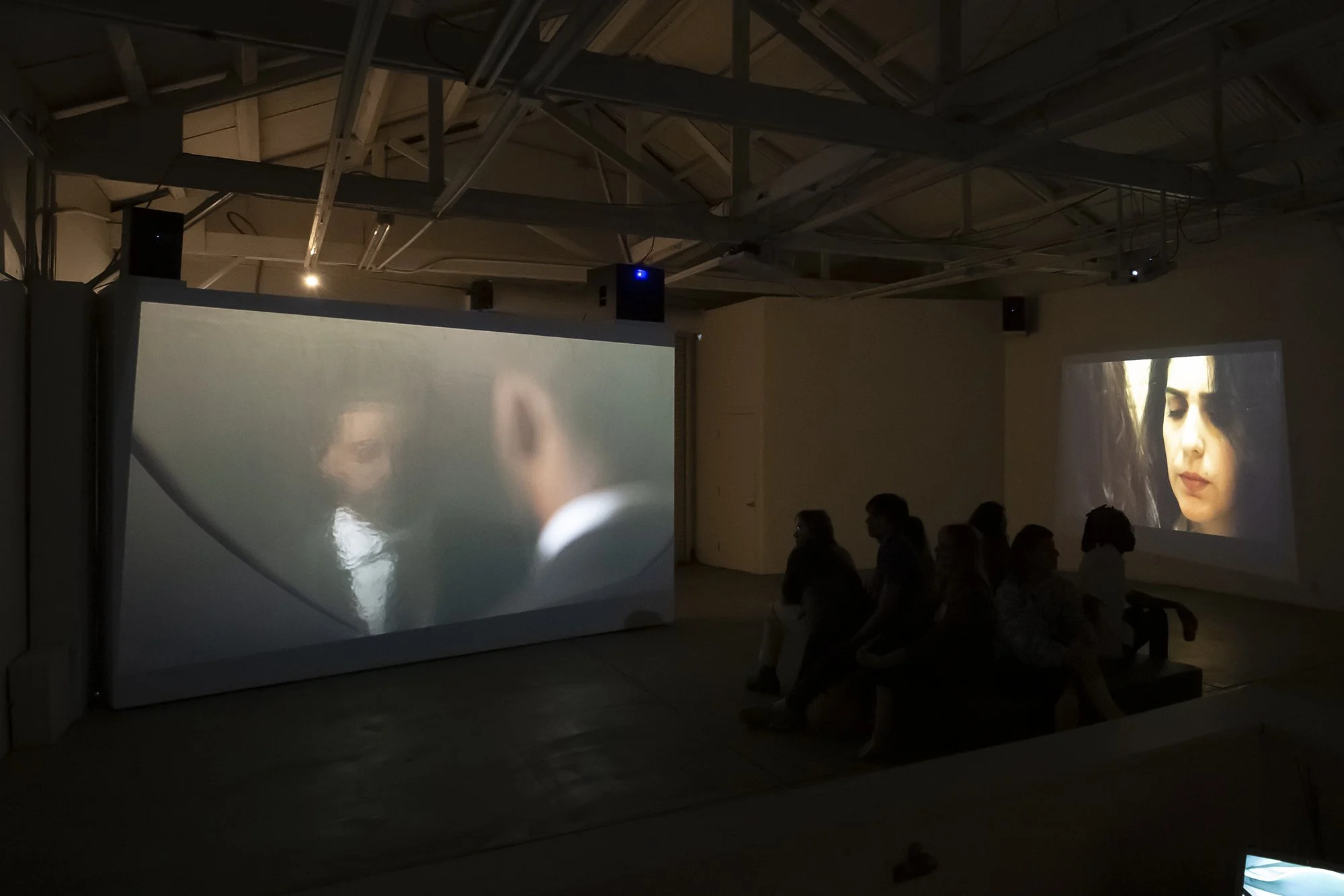
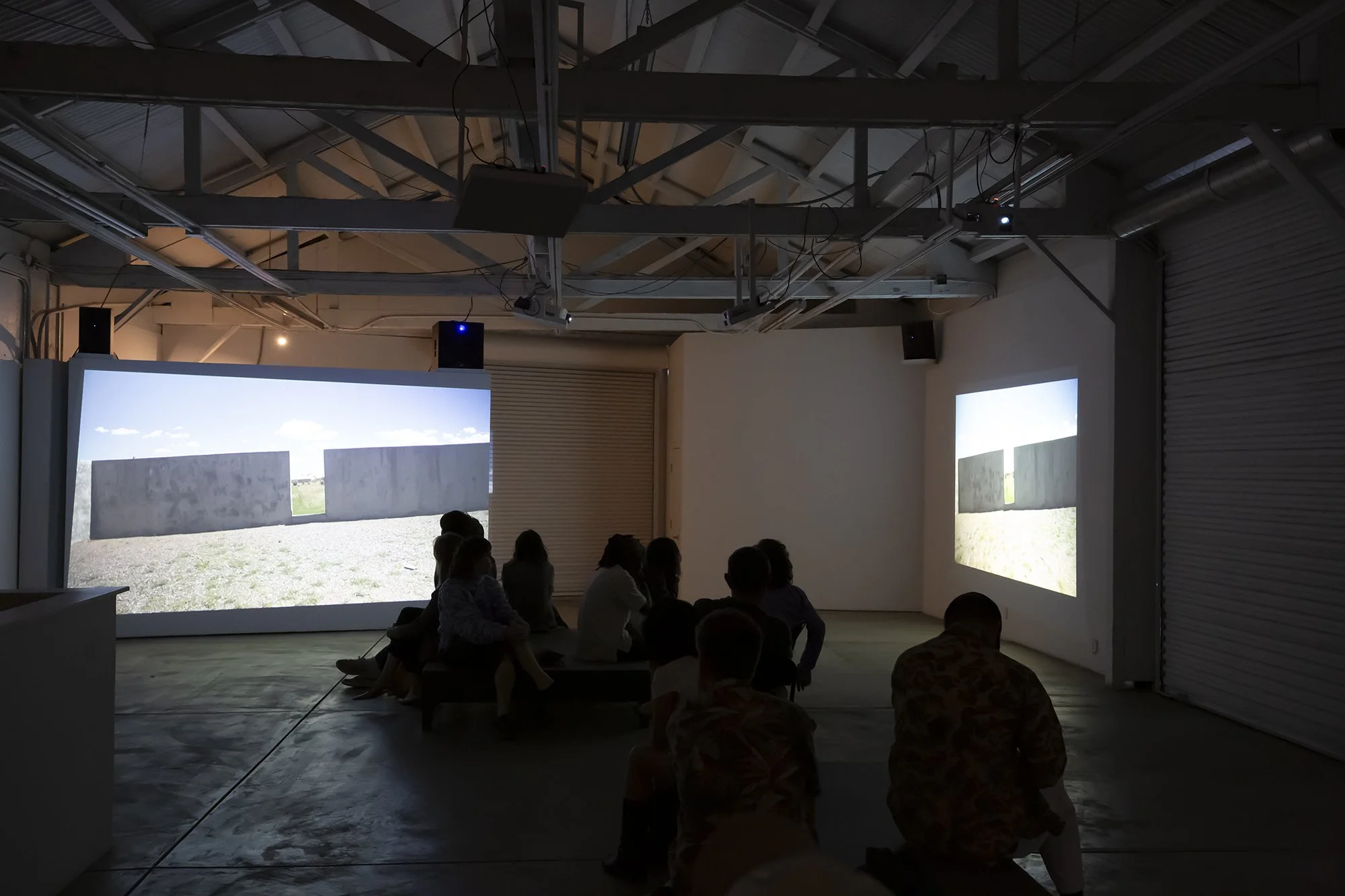
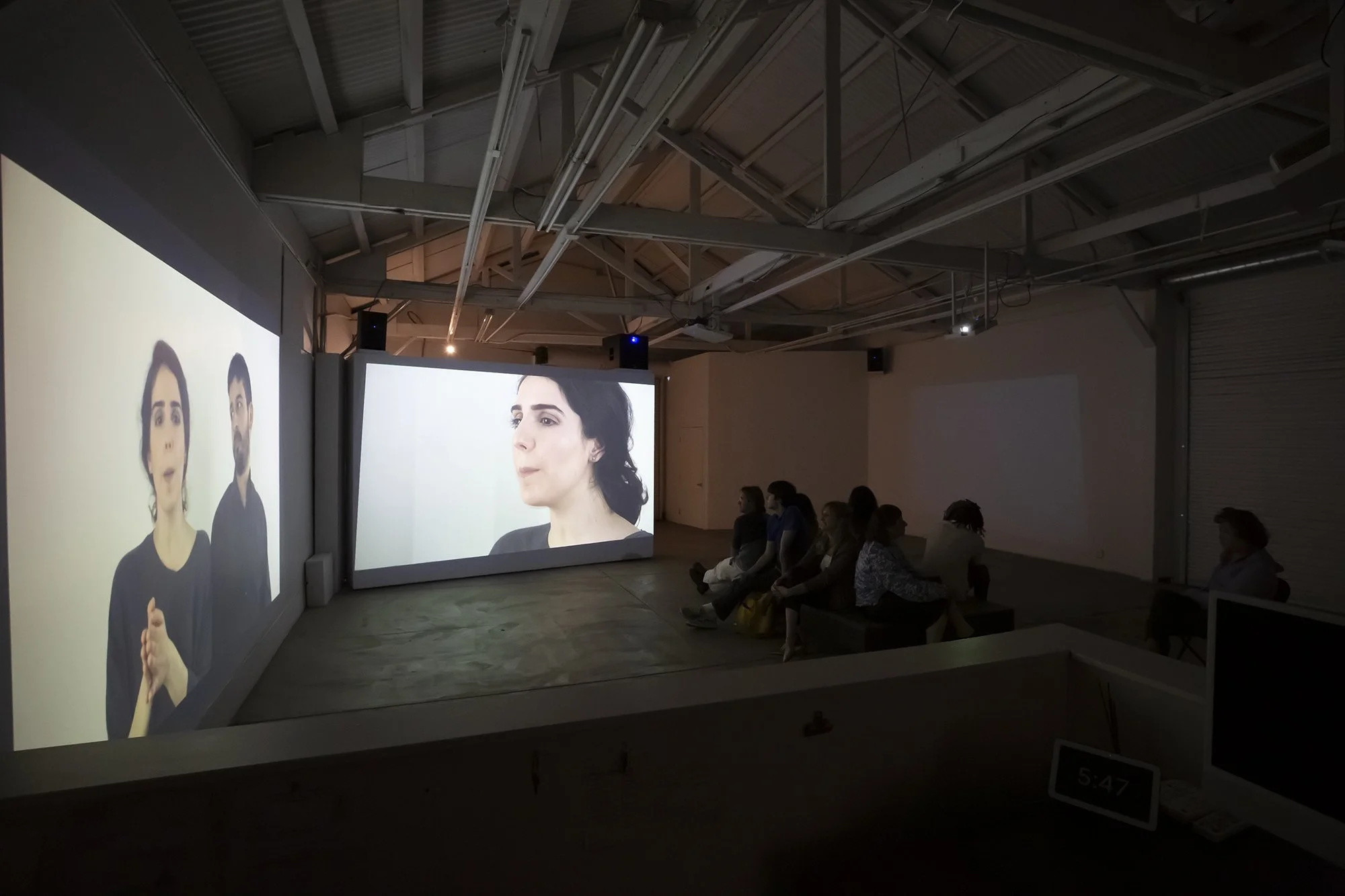
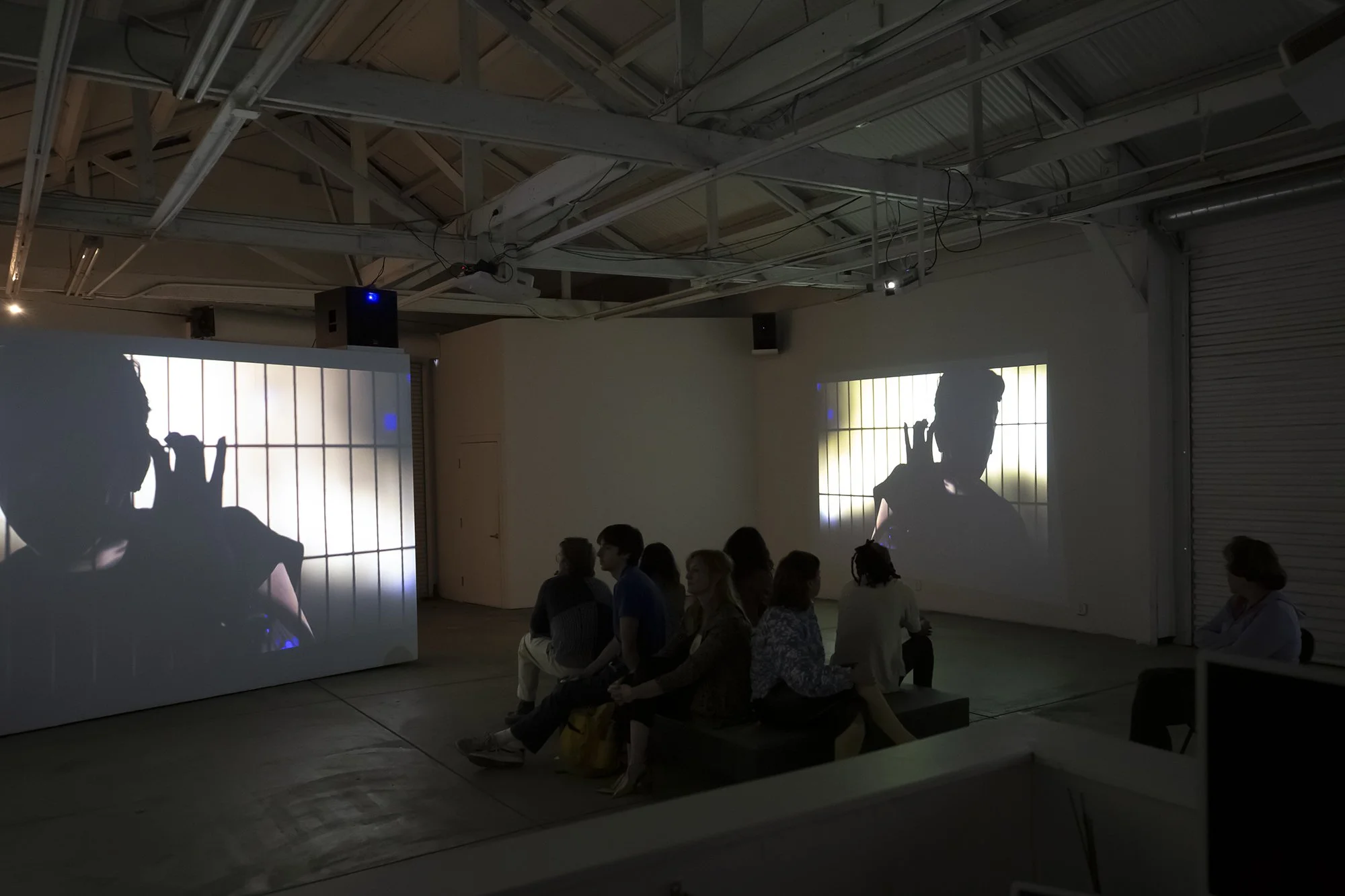
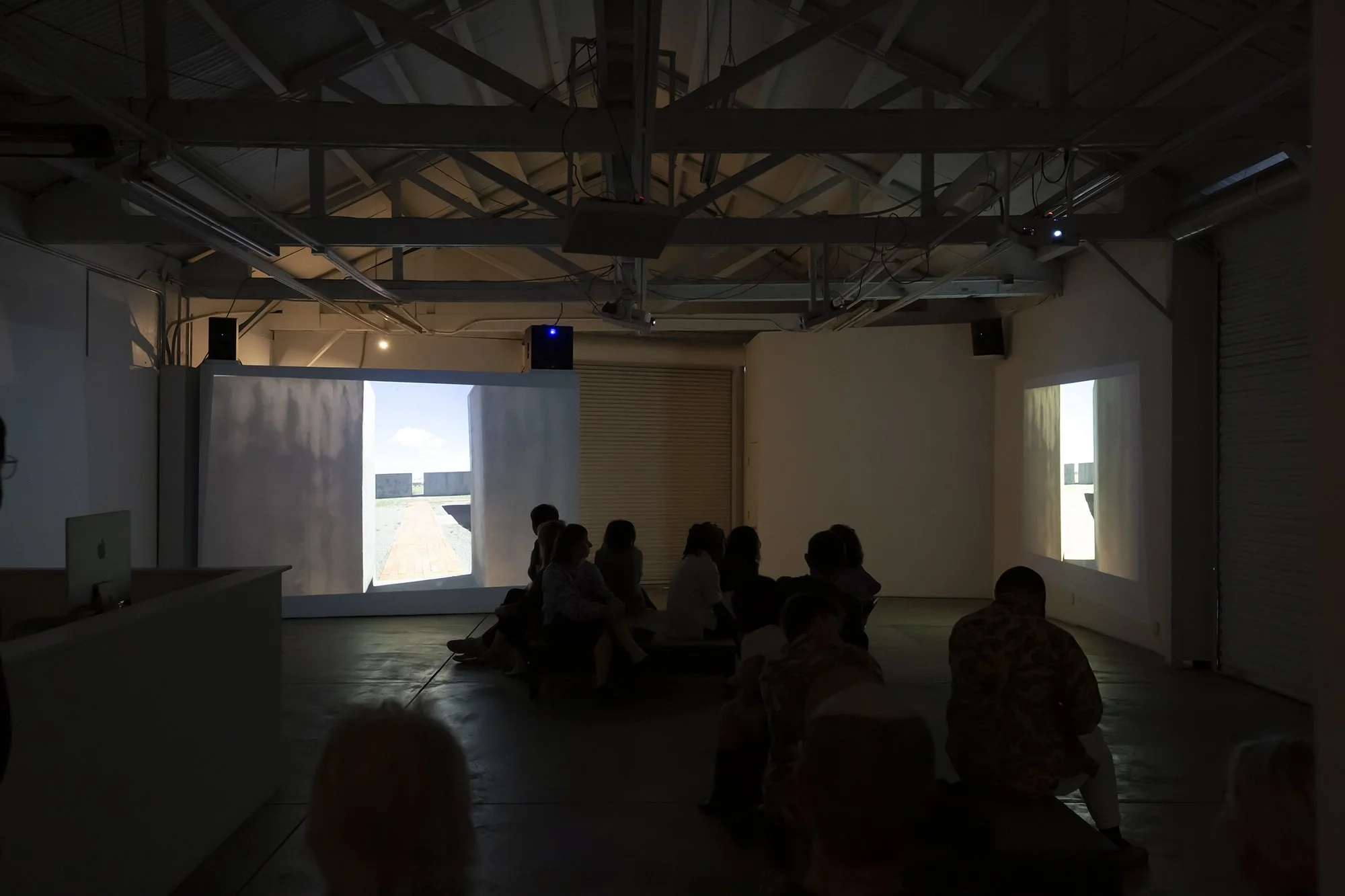
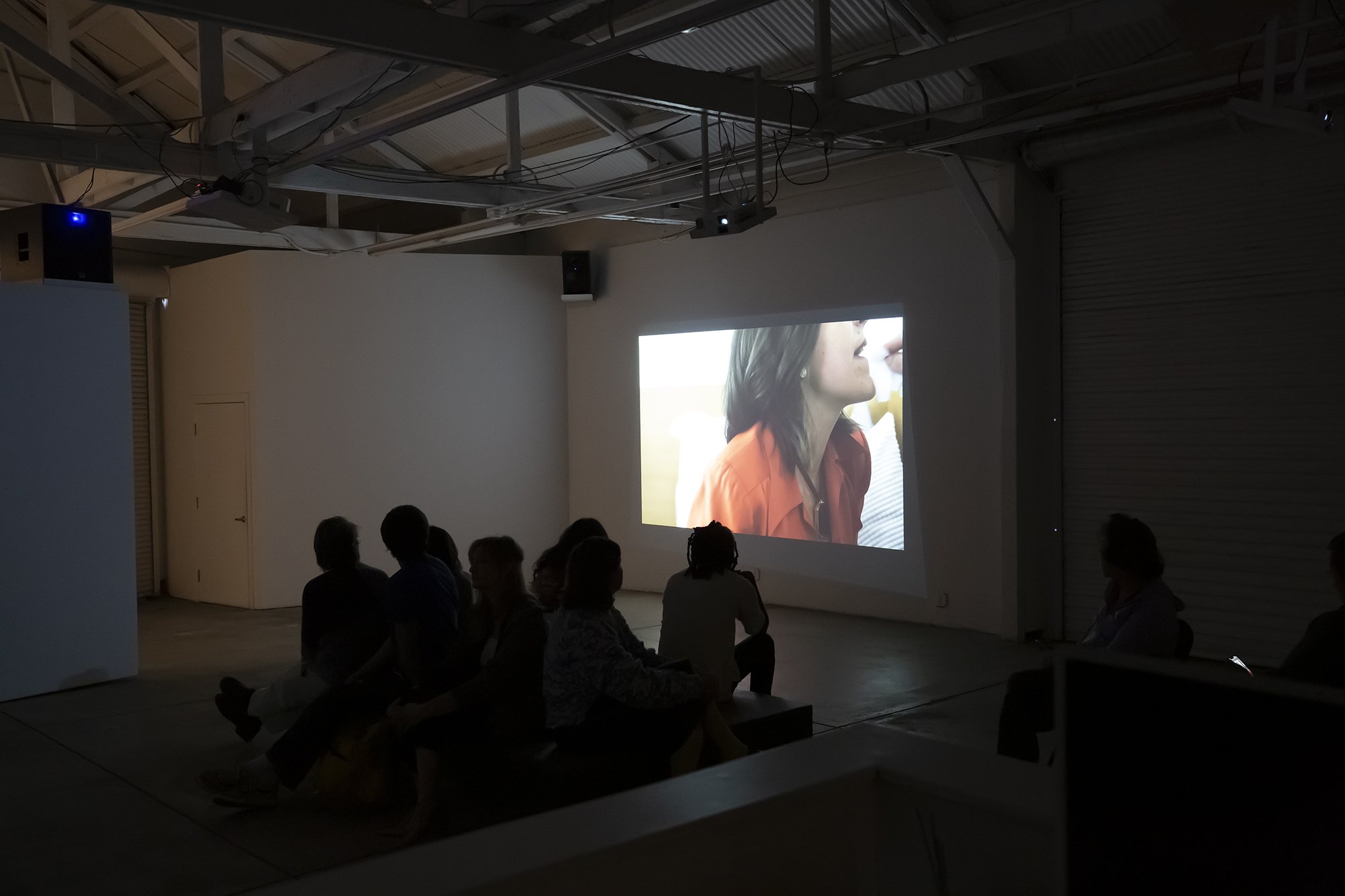
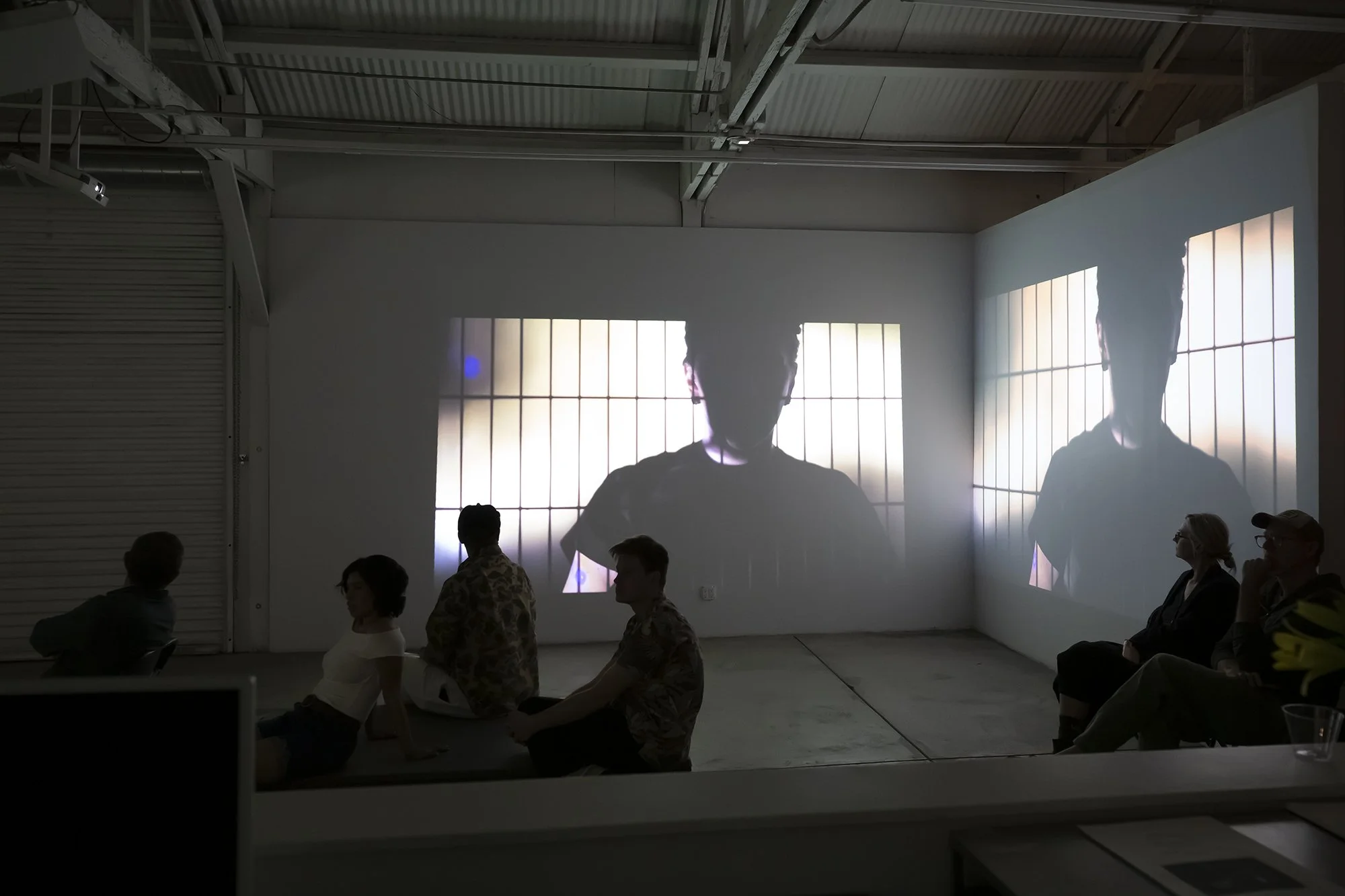
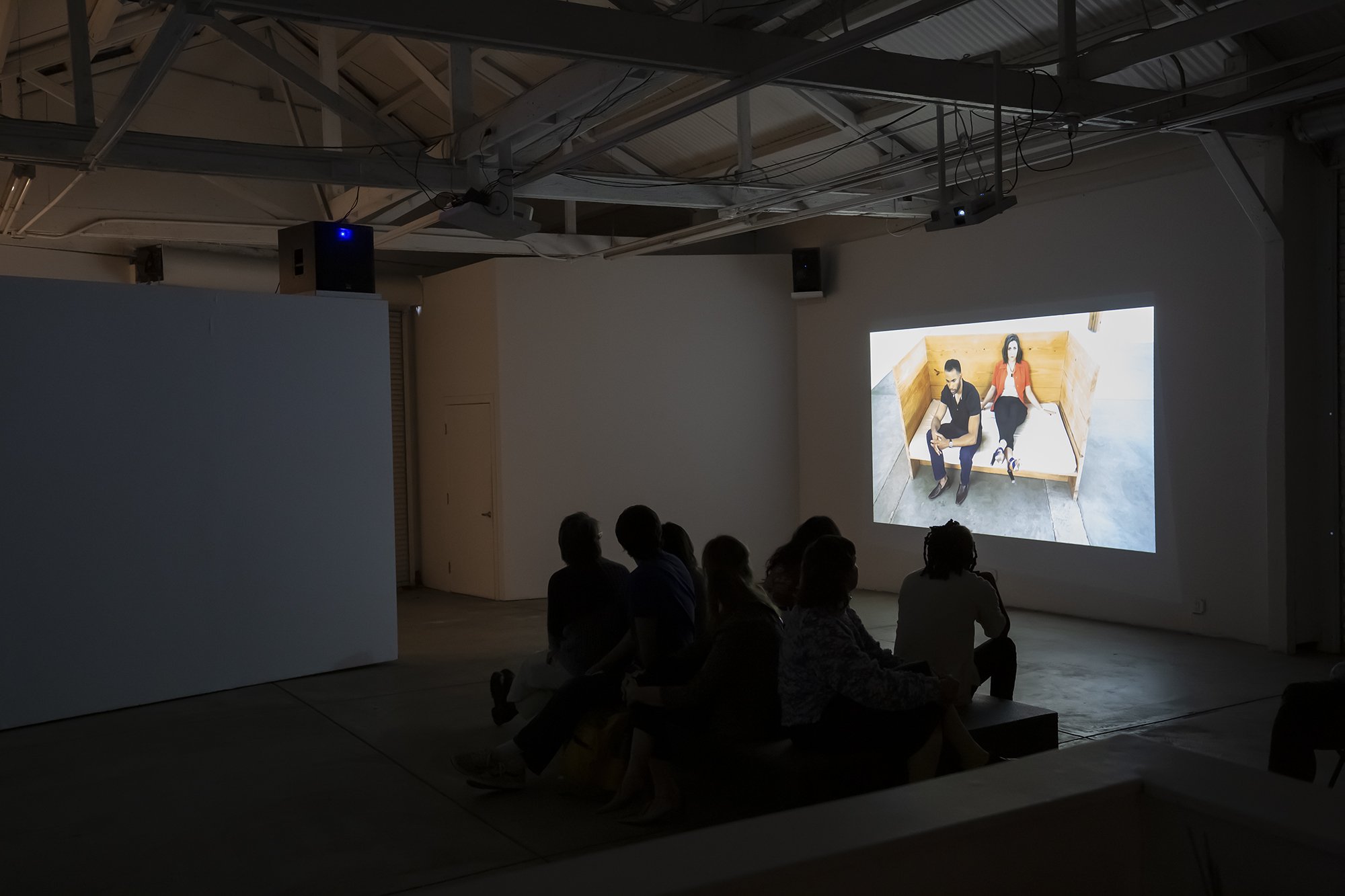
Map of the Bomb (2025) — 5‑channel video installation, 1:00:05.
Program:
5:00 PM - Screening: Map of the Bomb (2025)
6:15 PM - Discussion: Amanda Beech and Christine Wertheim
Christine Wertheim is an artist, writer and Emeritus of the California Institute of the Arts. Publications include three suites exploring infantile rage, global violence and gender: +|’Me-sPace, mUtter-bAbel and The Book of ME. With Margaret Wertheim she co-curates the Crochet Coral Reef, a 20-year experiment in applied mathematics, community art, and evolutionary theory through crochet: exhibited worldwide including at the 2019 Venice Biennale and the Smithsonian, featured in Donna Haraway’s Staying with the Trouble. Member of the LA Forum of the École de Psychoanalyses des Forums du Champ (2017-2023), and the Center for Discursive Research at Cal Arts (2017-). Current research examines the degradation of space and femininity in ancient Athens and its ongoing influence today.
Amanda Beech is an artist living and working in Los Angeles. Her video installations and paintings enmesh themes and events from popular culture, science fiction, noir, politics and philosophy to propose art as a methodology beyond the ideals of capitalism and the limits that art has set for itself by its critiques of it. Investing in art as a form of this realism her written work includes, “Beyond the Cult(ure) of Negativity…. and the Necessity of Objective Fictions”, in Random, Edinburgh University Press, ed. Ranjan Ghosh, “Messages from the Inside: Les Immateriaux and the Persistence of the Revolution”, in Beyond Matter, Within Space, Karlsruhe, ZKM. https://withinspace.beyondmatter.eu/ and ‘Art’s Intolerable Knowledge: Poststructuralism, Posthumanism and the Question of Research’, in The PostResearch Condition, Metropolis Books. Utrecht. Exhibitions include, Idiorhythmic Imaginaries, 6th Helsinki Research Biennale, Finland, 2026, Illiigocene, Kindl Contemporary Art Museum, Berlin, Germany, 2026, Delphic Future, Twelve Ten Gallery, Chicago, 2024, and the Havana Biennale 2021.
MAP OF THE BOMB
Feb 13th – March 14th, 2026
The story goes that in the early 1940s, Hollywood star Hedy Lamarr and modernist composer George Antheil used player pianos to invent frequency hopping, a technique for securing radio communications that involves rapid synchronized movement across frequencies. Initially intended to guide torpedoes in World War II, it subsequently enabled the development of now-ubiquitous spread-spectrum technologies such as Wi-Fi and GPS.
Somewhat apocryphal (among other things, their discovery was actually rejected by the Navy, and others had developed similar methods around the same time), their tale is nonetheless a neat metaphor for the entanglement of art, politics, knowledge, and violence, which LA-based artist Amanda Beech uses to structure her recent film, Map of the Bomb. The 65-minute work—which had its US premiere at the Music Box Theater in February 2024—features a single script that was shot twice, with two pairs of actors across various locations in Los Angeles, Marfa, and Beirut. Movement is constant: We toggle back and forth among characters and settings; monologues are repeated and reversed; the letters of the interstitial title slides spin into place like symbols on a slot machine; Donald Judd’s pivot doors spin in the wind.
Beech’s moving-image practice has long drawn on familiar stylistic tropes from film noir, music videos, and advertising. Previous video works such as Sanity Assassin (2007) and Covenant Transport, Move or Die (2015) appear here in the background of several key scenes, initiating another kind of conversation across time and media. Segments of Map of the Bomb also nod to reality TV and corporate promotional videos, all genres that might present initially as seductive but ultimately reveal themselves to be illusory and alienating.
The effect is dizzying, destabilizing. From the outside, communications transmitted via frequency hopping are just noise. But what if the code could be cracked? What if there were a way to access the vital interior? Either paranoid or visionary, Beech’s protagonists desperately search for the key to unlock an understanding of reality and afford a measure of control over it. Patterns emerge from noise, messages emerge from patterns, and the possibility of change—revolution, even—emerges from this new awareness.
Text by Anna Searle Jones